Low-Tox Home: The Complete Guide to Reducing Chemical Exposure Indoors
The average home contains hundreds of synthetic chemicals in furniture, flooring, cleaning products, mattresses, and paint. The highest-priority concerns are: VOCs from paint and engineered wood fu...
The average home contains hundreds of synthetic chemicals in furniture, flooring, cleaning products, mattresses, and paint. The highest-priority concerns are: VOCs from paint and engineered wood furniture; flame retardants in sofas and mattresses; PFAS in stain-resistant carpets and cookware; and synthetic fragrances in cleaning products. A low-tox home approach prioritises the bedroom first (8 hours of exposure per night), then the kitchen, then rooms with new furniture. Most low-tox alternatives are widely available and cost-competitive with conventional options.
Most people spend over 90% of their time indoors. The air inside homes is often more chemically complex than outdoor air — a combination of off-gassing from furniture and building materials, residues from cleaning products, and particles released from synthetic furnishings. This guide maps the key chemical concerns by room and priority, so you can make changes that actually move the needle rather than buying into low-tox theatre.
The short answer
Indoor chemical exposure comes from four main sources: materials that off-gas (paint, engineered wood, foam mattresses, vinyl flooring), products you apply (cleaning sprays, air fresheners, laundry detergent), furnishings that shed (synthetic carpets, upholstered furniture with flame retardant treatments), and PFAS coatings on stain-resistant surfaces. The priority order for action is: bedroom (you spend 8 hours there every night), nursery or children's rooms (higher exposure per body weight), kitchen (heat accelerates off-gassing and chemical migration), then main living areas. You do not need to replace everything. Start with the highest-exposure items first.
Two foundational topics to start with
Two chemical families dominate indoor exposure concerns: PFAS (forever chemicals in non-stick coatings, stain-resistant treatments, and water-repellent textiles) and microplastics (shed from synthetic textiles, dust, and packaging). If you are new to the topic, start with What Is PFAS and Why Should You Care? and What Are Microplastics and Why Do They Matter? — these underpin most of the room-by-room recommendations below. For practical reduction across your whole life, see How to Reduce Microplastics in Your Body: A Practical 2026 Guide.
What's actually in a conventional home
Volatile organic compounds (VOCs)
VOCs are carbon-based gases released by a wide range of household products and materials at room temperature. Sources include oil-based and some water-based paints, varnishes, adhesives, MDF and particleboard furniture, new carpets, vinyl flooring, air fresheners, and cleaning products. Benzene, formaldehyde, xylene, toluene, and acetaldehyde are among the most studied VOCs in indoor air.
Exposure is highest in newly painted, newly furnished, or recently renovated rooms. Off-gassing typically peaks in the first weeks to months after installation, then declines — though some materials, particularly urea-formaldehyde resins in engineered wood, continue releasing formaldehyde for years. See VOCs and Indoor Air Quality for a full breakdown.
Flame retardants in furniture and mattresses
Upholstered furniture — sofas, armchairs, mattresses — made with polyurethane foam has historically been treated with flame retardant chemicals. Earlier versions used polybrominated diphenyl ethers (PBDEs), which have been largely phased out internationally due to bioaccumulation concerns. They were replaced with organophosphate flame retardants (OPFRs) including TCPP and TDCPP, which accumulate in household dust and have their own toxicological questions.
Flame retardants migrate from foam into household dust, which is ingested particularly by young children who spend time on floors. See Flame Retardants in Furniture for what to look for when buying, and the study showing blood toxin levels drop after removing flame-retardant furniture.
PFAS in carpets, flooring, and upholstery
Stain-resistant treatments on carpets, rugs, and upholstery fabric commonly use PFAS-based chemistry — the same family of forever chemicals found in non-stick cookware and water-repellent clothing. These treatments off-gas slowly into indoor air and contribute to the household dust PFAS load. Scotchgard and similar branded treatments are the most common examples.
If you have recently installed stain-treated carpet or bought furniture with a stain-resistant finish, this is likely your home's largest PFAS source beyond the kitchen. See PFAS in Carpets and Flooring for alternatives. For the broader PFAS picture see PFAS in Everyday Products and Most Common PFAS Exposures.
Formaldehyde in furniture
Most flat-pack and budget furniture is made from MDF, particleboard, or plywood bonded with urea-formaldehyde or melamine-formaldehyde resin. Formaldehyde is a known human carcinogen (IARC Group 1) and a common indoor air irritant. New flat-pack furniture is often the single largest VOC source when introduced to a home. See Formaldehyde in Furniture.
Cleaning product chemicals
Conventional cleaning products — sprays, disinfectants, fabric softeners, air fresheners — contain a range of concerning ingredients: quaternary ammonium compounds (quats), glycol ethers, synthetic fragrances (which contain undisclosed phthalates), and chlorine-releasing compounds. See What's Actually in Your Cleaning Products.
Microplastics in indoor air and dust
Synthetic textiles in the home — carpet, curtains, upholstered furniture, polyester bedding, synthetic clothing — continuously shed microfibres into indoor air and household dust. Indoor airborne microplastic concentrations are typically several times higher than outdoors. See Microplastics in Indoor Air.
Priority order: where to start
1. Bedroom — highest priority
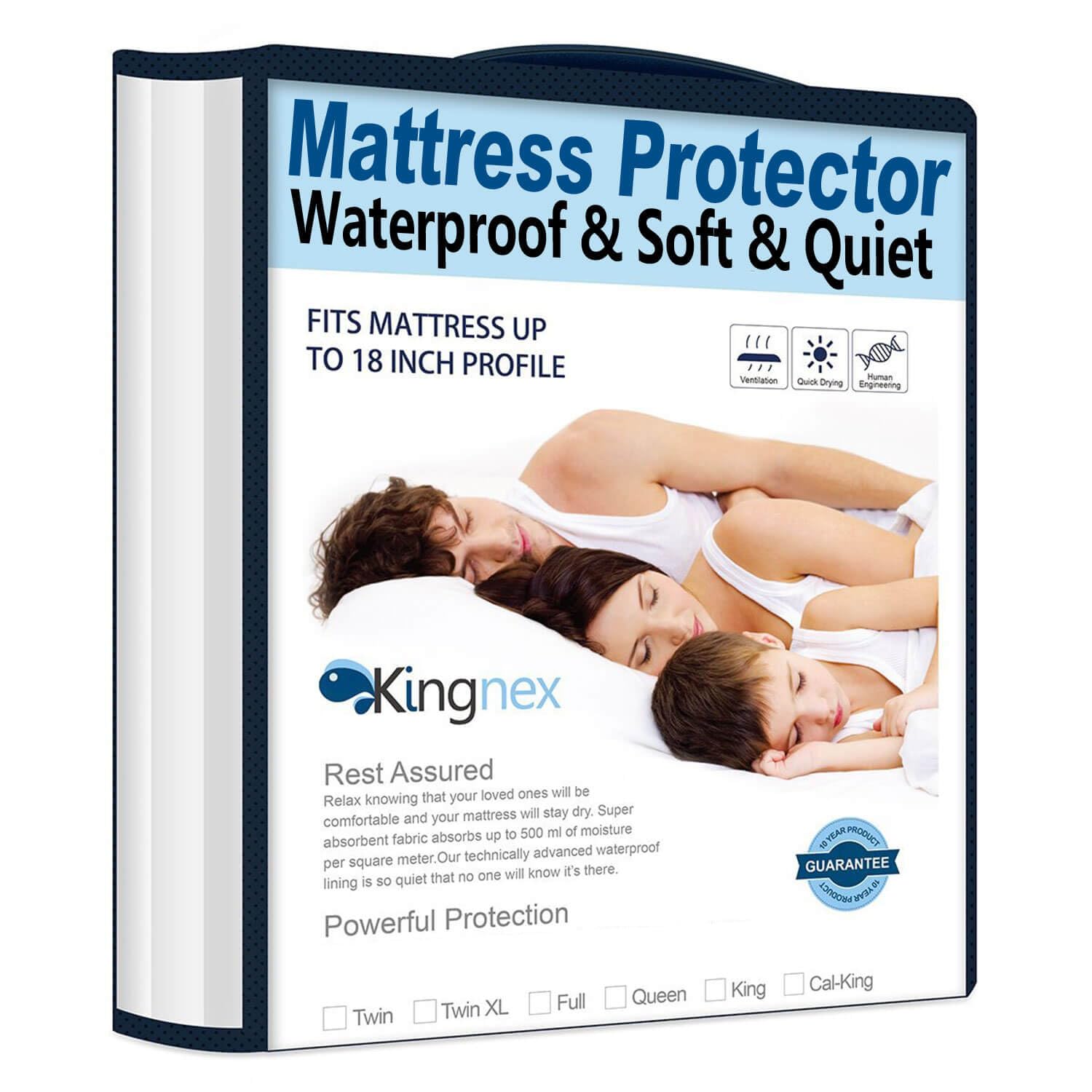
Eight hours per night means roughly a third of your life is spent in close contact with whatever is in your bedroom. A conventional polyurethane foam mattress that off-gasses flame retardants and VOCs is the highest-priority single item to address. After the mattress: synthetic bedding (microplastic shedding against your skin all night), and synthetic carpet if present.
See Low-Tox Bedroom: Mattresses, Bedding, and Indoor Air.
2. Nursery / children's room — highest risk group
Children have higher exposure per body weight, spend more time on floors (where dust accumulates), and are more developmentally vulnerable to chemical exposure. If you have a baby or young child, prioritise their sleeping and play environment before any other room. See Low-Tox Nursery: What to Prioritise When Setting Up for a Baby.
3. Kitchen — heat amplifies everything
Heat dramatically increases the rate at which chemicals migrate from materials into food and air. Non-stick cookware, food packaging, plastic containers heated in the microwave, and PFAS-treated baking paper all become higher-risk when heat is applied. The kitchen is also where cleaning chemicals are used most heavily. See the Low-Tox Kitchen guide.
4. Main living areas
Sofas, carpets, and curtains in main living areas are the main concern — particularly flame retardant-treated foam furniture and stain-resistant carpet. Ventilation is the most effective intervention in living areas: open windows regularly to dilute indoor VOC concentrations.
Air quality: what actually works
Ventilation is the single most effective intervention for indoor air quality — opening windows creates air exchange that dilutes VOC concentrations. The daily house burping habit is a low-cost ventilation routine. An air purifier with HEPA and activated carbon can help with particles and some gases in spaces where ventilation is limited. See Air Purifiers and Indoor Air Quality: What Actually Works for evidence-based guidance on what to buy. For reducing dust-borne particles, a sealed HEPA vacuum is the most effective tool.
The guides in this cluster
Indoor air & off-gassing
- VOCs and Indoor Air Quality: What Off-Gassing Actually Means
- Air Purifiers and Indoor Air Quality: What Actually Works
- House Burping: The Science-Backed Habit for Indoor Air
- Microplastics in Indoor Air: What's in Your Home
Furniture & furnishings
- Flame Retardants in Furniture: What's in Your Sofa
- Formaldehyde in Furniture: The MDF Off-Gassing Problem
- Removing Flame Retardants Lowers Toxin Blood Levels
- PFAS in Carpets and Flooring
Cleaning & maintenance
Room-by-room guides
- Low-Tox Bedroom: Mattresses, Bedding, and Indoor Air
- Low-Tox Nursery: What to Prioritise When Setting Up for a Baby
- Low-Tox Kitchen: Replacing PFAS Cookware and Food Packaging
Foundational topics
- What Is PFAS and Why Should You Care?
- What Are Microplastics and Why Do They Matter?
- How to Reduce Microplastics in Your Body: A Practical 2026 Guide
- PFAS in Everyday Products: The Complete Guide
Browse the low-tox home products collection for vetted alternatives.
VOCs and Indoor Air Quality: What Off-Gassing Actually Means
You paint a room, move in new furniture, or install new carpet — and for days or weeks afterward ...
Read articleFlame Retardants in Furniture: What's Actually in Your Sofa
Your sofa is one of the largest pieces of furniture in your home and one you spend significant ti...
Read articleWhat's Actually in Your Cleaning Products: The Chemicals You're Inhaling
Cleaning products are applied to surfaces you touch, floors children crawl on, and laundry worn a...
Read articlePFAS in Carpets and Flooring: The Stain-Resistant Coating Problem
PFAS (per- and polyfluoroalkyl substances) — the same family of forever chemicals found in non-st...
Read articleFormaldehyde in Furniture: The MDF and Particleboard Off-Gassing Problem
IKEA, Kmart, Target, Freedom, Harvey Norman — most major furniture retailers sell products made p...
Read articleLow-Tox Bedroom: Mattresses, Bedding, and What You're Breathing While You Sleep
No room in your home warrants more low-tox attention than the bedroom. You spend more uninterrupt...
Read articleLow-Tox Nursery: What to Prioritise When Setting Up for a Baby
When a new baby is coming, the nursery gets a lot of attention — colour schemes, themes, the righ...
Read articleAir Purifiers and Indoor Air Quality: What Actually Works
Air purifiers have become popular home purchases, marketed with claims ranging from reasonable to...
Read article