Clean Supplements: The Complete Guide to Avoiding Heavy Metals, Fillers, and Contamination
The supplement industry is lightly regulated. Products labelled natural, pure, or certified can still contain detectable heavy metals, undisclosed filler ingredients, or contamination from manufact...
The supplement industry is lightly regulated. Products labelled natural, pure, or certified can still contain detectable heavy metals, undisclosed filler ingredients, or contamination from manufacturing. Independent testing by the Clean Label Project and Consumer Reports has found lead, arsenic, cadmium, and mercury in protein powders, greens products, and herbal supplements at concerning levels. Choosing safer supplements means looking for third-party testing certifications (NSF Certified for Sport, Informed Sport, USP), understanding which ingredient categories carry higher contamination risk, and being realistic about which supplements have strong evidence for their claimed effects.
The supplement market in Australia is lightly regulated compared to pharmaceuticals. A product can reach store shelves with a TGA Listed number (which means it has been registered and is not actively dangerous at the claimed dose) without independent verification of its purity, potency, or absence of contaminants. The gap between what a label claims and what is actually in the bottle is real — and independent testing has documented it repeatedly.
This guide covers the contamination landscape, how to evaluate supplement quality beyond marketing claims, and which third-party certifications actually mean something.
The short answer
The main contamination concerns in supplements are: heavy metals (lead, arsenic, cadmium, mercury) absorbed from soil by plant-based ingredients; undisclosed filler and excipient ingredients in capsules and tablets; oxidised or contaminated fish oil; and contamination from poor manufacturing hygiene. The most meaningful quality signal is third-party testing — specifically NSF Certified for Sport, Informed Sport, or USP Verified. "In-house tested," "independently verified" without a named certifier, and TGA Listed alone are not sufficient quality indicators. The categories with the highest contamination risk are plant-based protein powders, greens powders, herbal supplements (particularly Ayurvedic), and fish oil.
The regulatory reality in Australia
The Therapeutic Goods Administration (TGA) regulates supplements as listed medicines (AUST L) or registered medicines (AUST R). Listed medicines — which cover almost all retail supplements — are assessed for safety at the listed dose but are not individually tested for purity or contaminant levels before being listed. The TGA conducts post-market surveillance testing, but this catches problems after products reach shelves.
This is not unique to Australia — the US FDA, EU, and most other regulatory bodies have similar limitations. The supplement industry globally relies heavily on manufacturer self-regulation and, for quality-conscious products, voluntary third-party certification.
Heavy metals: the most consistent contamination issue
Plants absorb minerals — and heavy metals — from the soil they grow in. This is a fundamental biological process, not a manufacturing failure. When plant material is concentrated into powder form (as in greens products, protein powders, and herbal supplements), heavy metals concentrate with it. Lead, arsenic, cadmium, and mercury are the four most commonly tested.
The Clean Label Project — a US-based non-profit that conducts independent testing — has run multiple rounds of testing on protein powders, greens products, and infant formula. Their findings have consistently found heavy metals in products at levels above California Proposition 65 limits, which are used as a de facto consumer benchmark. Plant-based protein powders consistently test higher than whey for lead and cadmium. Greens powders have some of the highest heavy metal burdens of any supplement category. See Heavy Metals in Supplements and Greens Powders: Heavy Metal Testing for detail.
What third-party certification actually means
NSF Certified for Sport
The most rigorous certification for sports supplements. Tests for: over 270 substances banned in sport; heavy metals (lead, arsenic, cadmium, mercury); label accuracy (is what's on the label actually in the bottle at the stated amount); and manufacturing practice audit. Used as the standard by professional sports leagues and anti-doping bodies. Meaningful for anyone who wants heavy metal verification in addition to banned substance screening.
Informed Sport
Similar to NSF Certified for Sport — batch-tested for banned substances and manufacturing audit. Widely recognised in the sports supplement industry. Less comprehensive than NSF on heavy metals but meaningful for purity verification.
USP Verified
US Pharmacopeia verification confirms: the supplement contains the ingredients listed on the label in the declared amounts; does not contain undisclosed harmful levels of contaminants; will dissolve properly; and was manufactured under good manufacturing practices. Strong quality signal for general supplements (vitamins, minerals). Less focused on banned substances than NSF.
TGA Listed (AUST L)
Confirms the product has been registered with the TGA as a listed medicine and is not considered actively dangerous at the label dose. Does not verify heavy metal levels, label accuracy, or manufacturing quality. Necessary but not sufficient as a quality indicator.
Highest-risk supplement categories
- Plant-based protein powders: Pea, rice, hemp proteins concentrate soil contaminants. Highest risk for lead and cadmium. See Protein Powder Contaminants and Whey vs Plant Protein: Contamination Risk.
- Greens powders: Concentrated plant material = concentrated heavy metals. Often the highest total heavy metal burden per serving of any supplement category. See Greens Powders: Heavy Metal Testing.
- Fish oil: Contamination with mercury, PCBs, and dioxins from marine environment. Oxidation (rancidity) is a separate quality concern that can render fish oil pro-inflammatory rather than anti-inflammatory. See Fish Oil Quality: Oxidation, Contamination, and How to Choose.
- Herbal and Ayurvedic supplements: The highest heavy metal contamination rates in testing are consistently found in imported herbal and Ayurvedic products. Some traditional formulations intentionally contain minerals at levels that exceed modern safety standards.
Lower-risk categories
- Whey protein: Animal-derived, lower heavy metal burden than plant proteins. Still benefits from third-party testing for other contaminants.
- Mineral supplements (magnesium, zinc, etc.): Synthetic mineral salts rather than plant-concentrated materials. Contamination risk is lower but excipient quality still matters. See Magnesium Supplement Forms Compared.
- Vitamin D (D3/cholecalciferol): Typically derived from lanolin (sheep wool) or lichen — low contamination risk. The main quality concern is label accuracy (is the stated IU actually present?).
Free tool · Made for Australia
Use the scanner on any supplement bottle: it flags hidden fillers, artificial dyes, contamination-prone PEGs and the inactive-ingredient patterns we cover above — in seconds, before you check out. Try the Low Tox Scanner →
The guides in this cluster
- Heavy Metals in Supplements: The Testing Gap You Need to Know About
- Protein Powder Contaminants: What Independent Testing Has Found
- Supplement Certifications: What NSF, USP, Informed Sport, and TGA Mean
- Filler Ingredients in Supplements: The Additives You Didn't Sign Up For
- Fish Oil Quality: Oxidation, Contamination, and How to Choose
- Magnesium Supplements: Comparing Forms, Absorption, and Contamination Risk
- Greens Powders: Heavy Metal Testing and What Brands Don't Tell You
- Whey vs Plant Protein: Contamination Risk and What the Evidence Says
Browse the clean supplements collection for third-party tested options.
Free guide for this topic
Clean Supplements in Australia — No TiO2, No Dyes, No Fillers
40 supplements without titanium dioxide, dyes or magnesium stearate.
Send me the guide →Heavy Metals in Supplements: The Testing Gap You Need to Know About
The conversation about supplement quality often focuses on whether a product contains what the la...
Read articleProtein Powder Contaminants: What Independent Testing Has Found
Protein powder is one of the most widely consumed supplements globally — used daily by athletes, ...
Read articleSupplement Certifications: What NSF, USP, Informed Sport, and TGA Actually Mean
Supplement labels carry a range of quality claims — certified, tested, verified, pharmaceutical g...
Read articleFiller Ingredients in Supplements: The Additives You Didn't Sign Up For
When you take a supplement capsule, you are taking more than just the active ingredient on the fr...
Read articleFish Oil Quality: Oxidation, Contamination, and How to Choose
Fish oil is one of the most widely purchased supplements globally, driven by substantial evidence...
Read articleMagnesium Supplements: Comparing Forms, Absorption, and What to Avoid
Magnesium is genuinely one of the better-evidenced supplements — it is involved in over 300 enzym...
Read articleGreens Powders: Heavy Metal Testing and What Brands Don't Tell You
Greens powders are marketed as concentrated nutrition — a scoop that gives you the equivalent of ...
Read articleWhey vs Plant Protein: Contamination Risk and What the Evidence Says
The whey vs plant protein debate is typically framed around muscle building, digestibility, and d...
Read article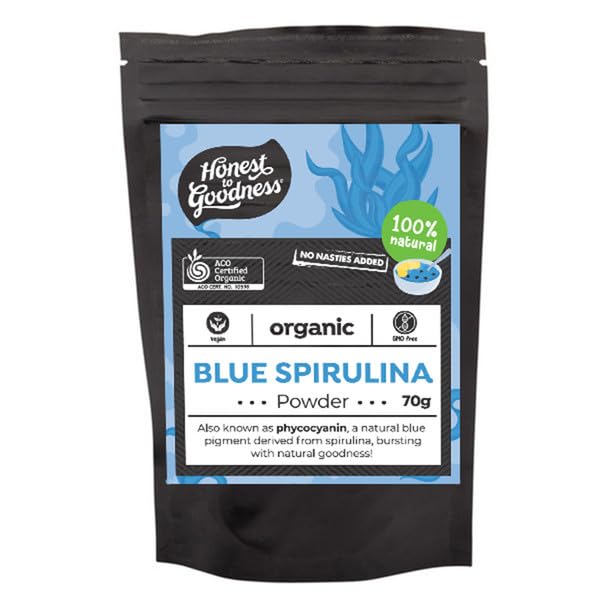
Lifestream Organic Spirulina Powder — USDA Organic, Heavy Metal Tested
$35.00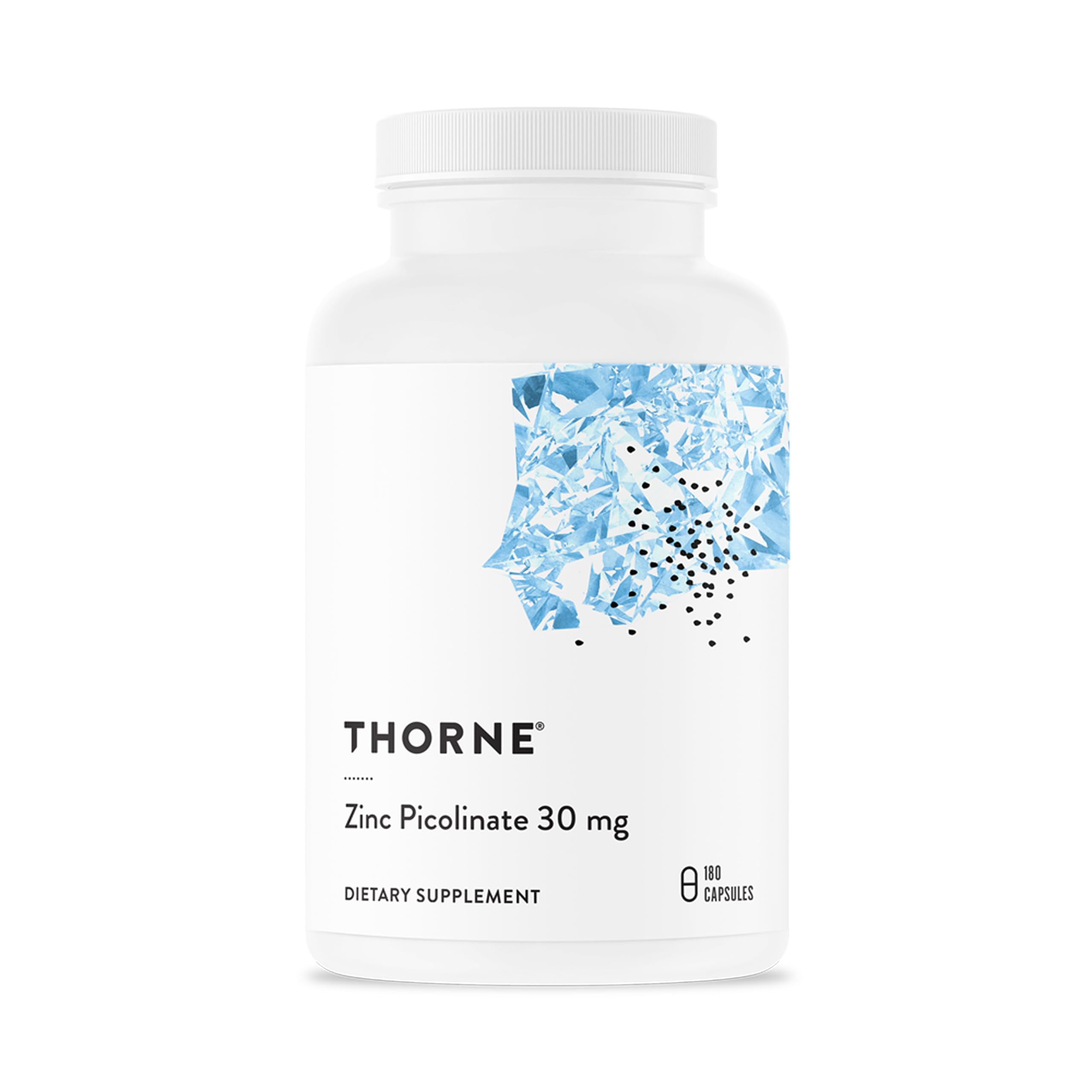
Designs for Health Zinc Supreme — No Filler Capsules
$36.00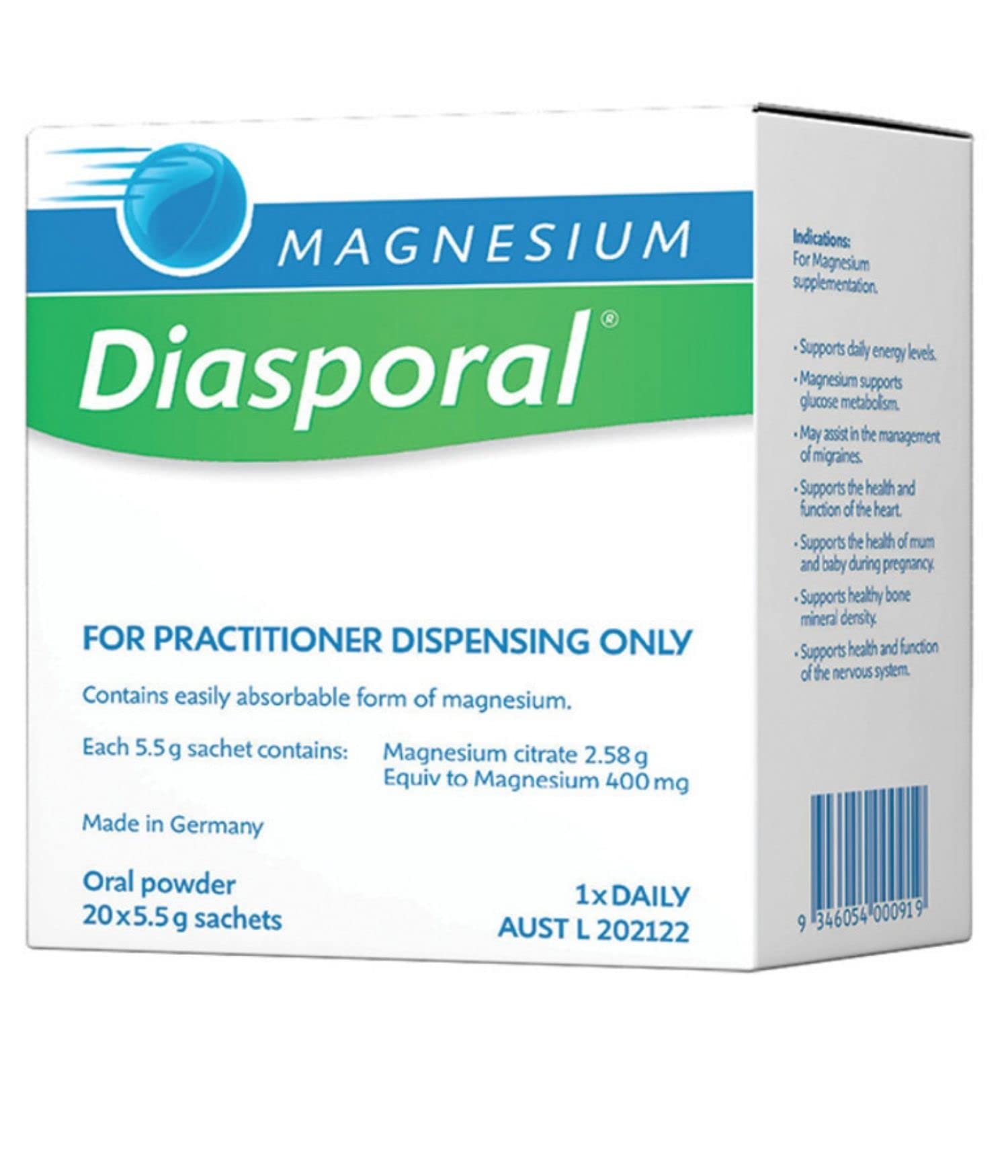
Seeking Health Optimal Magnesium — Multiple Forms, No Stearates
$42.00